All Categories
Featured


Maximizing Sector Share through Strategic Scaling Plans
Table of Contents
Healthier fast food offerings to align with wellness-driven consumer choices. Development of digital purchasing, AI-powered drive-thrus, and automation in QSRs. Increasing adoption of plant-based and sustainable menu options., the hamburgers and sandwiches section led the marketplace with, showing their dominance as a worldwide quick food market., the Quick Service Restaurants (QSRs) sector controlled with a, supported by performance, price, and global ease of access.
: Held a significant share along with North America, with a high penetration of worldwide brands.: Poised for appealing development due to rapid urbanization, young demographics, and rising middle-class demand.: Anticipated to witness consistent growth with the increasing entry of global QSR chains and expanding delivery platforms. The international fast food market is highly competitive, with major players consisting of These business are leveraging digital ordering, menu diversity, and international expansion techniques to sustain growth in a competitive environment.
Characterized by high turnover, minimal table service, and emphasis on benefit, this sector has actually progressed beyond traditional hamburgers and french fries to include worldwide motivated cuisines, plant-based options, and digitally integrated purchasing systems. According to the U.S. Bureau of Labor Stats, the typical American spends 37 minutes per day on meal preparation in your home, a decrease of almost 25% considering that 2000, reflecting a structural shift toward outsourced eating.
The speeding up pace of metropolitan life with dietary habits is driving the growth of the junk food market. According to the United Nations Department of Economic and Social Affairs, over 2.5 billion individuals are predicted to be included to metropolitan populations by 2050, mostly in Asia and Africa, where facilities and long commutes enhance time poverty.
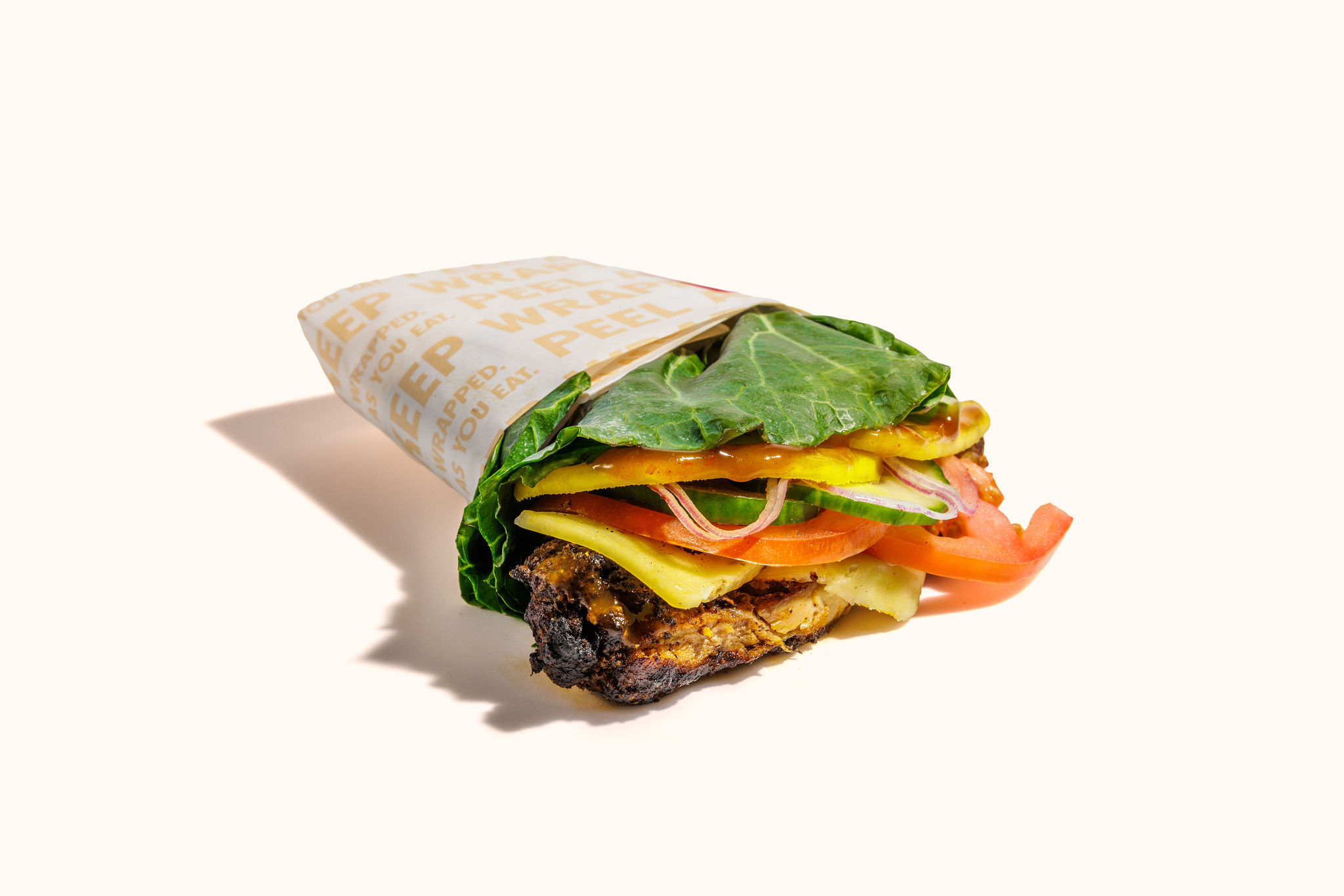
Key Hospitality Industry Trends Defining ROI
This temporal pressure drives dependence on rapid dining solutions, with quick food outlets tactically situated near transit hubs and downtown. The proliferation of digital platforms has redefined junk food accessibility, transforming it from a location-bound service to an on-demand energy is additionally boosting the development of junk food market.
In Dubai, the federal government's Smart City effort has helped with drone-based food shipment trials, further speeding up service performance. These technological advancements have expanded the customer base to include senior populations and stay-at-home individuals who previously relied on home-cooked meals. The increasing public health crises, especially weight problems and type 2 diabetes and growing awareness over the nutritional health is ascribed to limit the development of junk food market.
Likewise, the UK's sugar levy led to a 22% reduction in sugar material throughout soft beverages served in junk food outlets between 2018 and 2022, according to Public Health England. These guidelines increase operational intricacy and constrain menu development, engaging chains to reformulate dishes a process that runs the risk of changing taste profiles and pushing away core customer sectors.
As per the Food and Agriculture Organization of the United Nations, severe weather condition occasions linked to climate change decreased worldwide wheat yields by 5.7% in 2022, directly affecting bun and pastry costs for significant chains. McDonald's divulged in its 2023 sustainability report that component price volatility contributed to a 12% increase in food procurement expenditures year-on-year.
The launch of plant-based and lab-grown alternatives is acquiring traction among environmentally and health-conscious customers, which is improving the growth of junk food market. According to the Good Food Institute, international sales of plant-based meat reached $9.7 billion in 2023, with quick food chains serving as primary circulation channels. The environmental imperative is also driving adoption: a University of Oxford research study found that producing a plant-based hamburger produces 90% less greenhouse gas than its beef counterpart.
Proven Methods for Scaling a Restaurant Brand
According to the World Bank, the global middle class is forecasted to reach 3.2 billion by 2030, with 88% of growth coming from Asia, Africa, and Latin America. Indonesia's quick food market grew by 11% every year in between 2020 and 2023, driven by rising disposable incomes and the expansion of food courts in shopping malls, according to the Central Bureau of Statistics of Indonesia.
The increasing labor restrictions in developed economies where workforce involvement remains below pre-pandemic levels is affecting adversely on the development of junk food market. According to the U.S. Bureau of Labor Data, the leisure and hospitality sector, which includes junk food, had 780,000 unfilled positions in 2023, despite offering average per hour salaries of $15.80 a 23% boost given that 2019.
The trend towards eco-friendly initiatives, where there are absence of greenwashing systems and other sustainability claims are likely to deteriorate the development of the junk food market. McDonald's dealt with regulatory scrutiny in France for labeling product packaging as "eco-designed" without validating lifecycle reductions, as reported by the Directorate General for Competitors, Consumer Affairs, and Scams Control.

Latest Posts
Hospitality Industry Shifts Shaping 2026

Why Hospitality Market Value Is Surging
Notable Benefits of Strategic Market Entry in 2026