All Categories
Featured

How to Expand a Dining Concept
Table of Contents
Every restaurant owner dreams of success, however success can look different depending on your technique. Should you focus on growth and broadening your footprint and customer base? Or should you aim to scale and increase success without significantly raising costs? Comprehending the distinction between the two is important when considering your profit margins.

Growth normally involves increasing profits by including more resourcesnew locations, more staff, or more comprehensive menus. While this can increase earnings, it frequently includes higher expenses, which may strain profit margins. Scaling, on the other hand, concentrates on increasing earnings without a proportional increase in expenses. This could mean enhancing your operations, leveraging technology, or improving effectiveness.
Profit margins in the dining establishment market can vary widely, but the average is around. If your margins are tight, scaling might be the more prudent alternative. Are your current operations successful enough to sustain development, or do you require to optimize? Growth is a wise relocation when your current location is prospering, particularly if you're turning away consumers due to capacity constraintsopening a new location can help capture that unmet need.
Additionally, success is most likely if you've recognized a new market with comparable demographics, allowing you to reproduce your existing achievements.growth often brings higher overhead costs, like rent, energies, and labor. These can rapidly eat into your profit margins if not handled thoroughly. Scaling is an outstanding alternative for improving effectiveness, such as improving kitchen area operations, minimizing food waste, or enhancing labor scheduling to increase profits without substantial investments.
In addition, scaling allows you to take full advantage of existing resources by increasing table turnover or expanding shipment and catering services instead of purchasing a new place. If your restaurant adopts a robust online purchasing system, you could increase income without needing extra personnel or space. Growth can increase your profits, however it likewise brings higher expenditures.
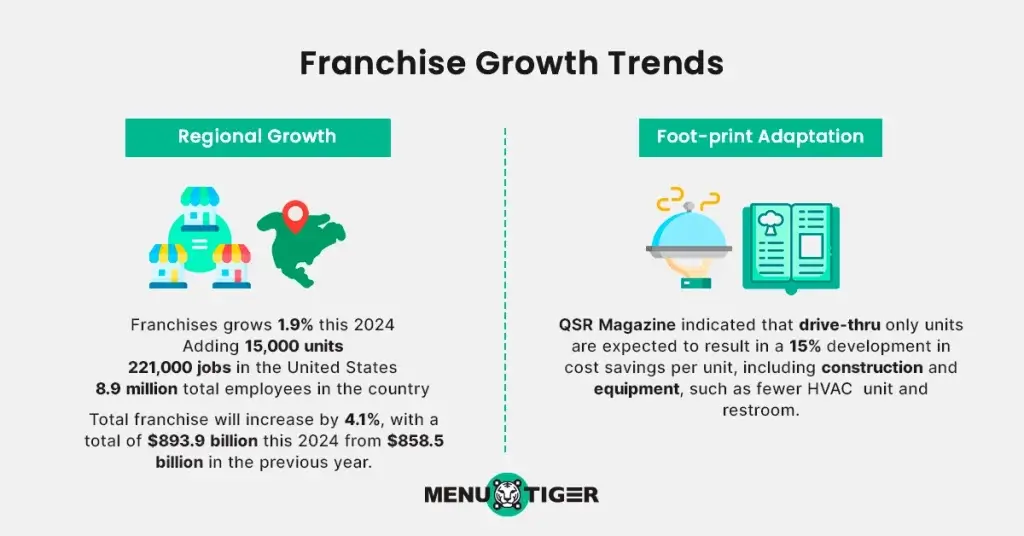
Analyzing Franchise Models Against Market Data
In contrast, scaling focuses on boosting earnings more efficiently. You could begin by scaling your current operations to maximize efficiency, then use the additional profits to money future growth.
When revenues increase, the owner could reinvest those cost savings into opening a 2nd place., and we can assist you make the best choice.
You may be thinking about how you prepare to grow from one dining establishment to 3. How do you scale your service to keep up with increasing need?
Key Market Milestones for 2026 Expansion
In this guide, we'll explore necessary strategies for restaurant owners looking to scale their organization sustainably and successfully. Simplifying procedures, from inventory management and food preparation to customer service and order fulfillment, allows restaurants to manage increased demand without becoming overwhelmed.
Furthermore, distinct and efficient systems create consistency, ensuring a positive consumer experience no matter location or volume. This consistency builds brand loyalty and favorable word-of-mouth, which are vital for sustained growth and success in the competitive dining establishment market. Eventually, functional quality prepares for a smooth and effective scaling process, allowing dining establishments to expand their reach while keeping the quality and performance that made them effective in the first location.
This makes sure consistency and reduces errors.: Analyze how personnel relocation through the restaurant and identify bottlenecks. Rearrange equipment or change procedures to improve efficiency.: Focus on popular, successful meals. This lowers component range, accelerate cooking times, and can reduce waste.: Provide thorough training on food handling, customer support, and restaurant-specific software application.
This can improve morale and cause better client interactions.: Usage information to anticipate busy times and schedule personnel accordingly. Avoid overstaffing or understaffing, which can impact costs and service.: Use software application or an in-depth manual system to track stock levels, forecast requirements, and automate purchasing. This decreases waste and ensures you have the components you need.: Train personnel on correct food storage and handling techniques.
: Use a modern-day POS system to simplify buying, payments, and stock management. Some systems likewise provide important information insights.: Offer online buying to increase sales and offer convenience for customers.: Use KDS to change paper tickets in the kitchen area, enhancing interaction and order accuracy.: Train staff to be friendly, attentive, and efficient.

Latest Posts

Hospitality Industry Shifts Shaping 2026

Why Hospitality Market Value Is Surging
Notable Benefits of Strategic Market Entry in 2026