All Categories
Featured


Corporate News: New Milestones for 2026
Table of Contents
If you have actually been running for a while and are aiming to scale, now's the best chance to revisit your initial service strategy and marketing strategies. This reflective process allows you to take advantage of your accumulated experience and make necessary adjustments for future growth. By examining what's worked and what hasn't, you can refine your understanding of your target audience and tailor the restaurant experience to better satisfy their evolving requirements.
Steps to Scale a Dining BrandConsider the following: Evaluate crucial metrics like consumer feedback, sales data, and marketing project results to determine successes and locations for improvement. Has your perfect consumer changed over time? Reassess their demographics, preferences, and dining routines to ensure your offerings remain relevant. Does your dining establishment still provide an unique and compelling experience? Fine-tune your menu, ambiance, and service to differentiate yourself from competitors.
Based on your analysis, establish possible and measurable development targets for revenue, client acquisition, and market share. Update your financial projections to show your revised company plan and growth objectives.
Diversifying revenue streams permits restaurants to reach a wider consumer base and take advantage of progressing consumer preferences. Providing curated meal kits or ready foods for retail sale extends the restaurant's brand name into consumers' homes, developing new touchpoints and producing extra income. Hosting personal events, cooking classes, or partnering with regional companies for distinct experiences can even more boost brand name visibility and consumer engagement.
Here's a list of ideas for included earnings streams: Develop a devoted catering arm to service events of different sizes. Purchase necessary equipment, staff training, and targeted marketing to attract corporate customers, community organizations, and personal parties. A dedicated events manager can be a valuable property. Change your restaurant into an event place.
Profitable Hospitality Investments Coming in 2026
Think about ticketed occasions to bring in more customers. Routine themed nights (e.g., trivia, live music, special cuisines) can draw in new consumers and improve mid-week business. Deal cooking classes or demonstrations to engage the community and generate additional profits. Profit from holidays and seasonal active ingredients with unique menus and marketing occasions.
Think about offering top quality product (e.g., clothing, mugs, cookbooks) to produce extra income and promote brand commitment. A distinct growth technique provides a roadmap for the future, laying out clear objectives, target markets, and action strategies.
Analyzing Fast Casual Sector Share Data for 2026By examining market trends, competitor activities, and client preferences, a tactical method makes it possible for dining establishments to make informed choices about menu advancement, marketing campaigns, and operational modifications. Furthermore, a growth method facilitates resource allocation, making sure that financial investments in staffing, innovation, and marketing are aligned with the general company goals. Eventually, planning for growth empowers dining establishments to move beyond merely surviving and rather concentrate on prospering, taking full advantage of profitability, and constructing a sustainable and effective brand.
Quick Service Market Share Trends
Focus on developing an effective model in one or two places before scaling even more. Maintain brand identity and core worths throughout growth. Ensure that the customer experience and quality of offerings remain constant throughout all locations.
From online ordering and booking systems to sophisticated point-of-sale (POS) and stock management software to event management software, innovation uses a wide range of tools to streamline operations, improve the customer experience, and drive success. Data analytics obtained from these systems supply important insights into client choices, sales patterns, and functional efficiencies, allowing data-driven decision-making for menu advancement, marketing campaigns, and staffing techniques.
Accepting innovation not only improves effectiveness and reduces costs however likewise permits dining establishments to adjust quickly to altering market demands and stay ahead of the competition, leading the way for sustainable growth and success. Execute an extensive POS system that integrates ordering, stock management, client relationship management (CRM), and reporting performances.
Utilize email marketing and social media platforms for targeted marketing campaigns and customer engagement. Track essential performance indicators (KPIs) such as sales information, client demographics, and popular menu items to notify organization decisions and optimize operations. Scaling a restaurant needs a strategic and diverse approach. By concentrating on operational performance, revenue diversification, and regulated expansion, dining establishment owners can position their organizations for sustainable development and success.

Latest Posts
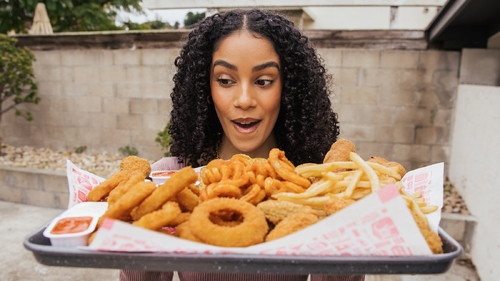
Hospitality Industry Shifts Shaping 2026
Why Hospitality Market Value Is Surging
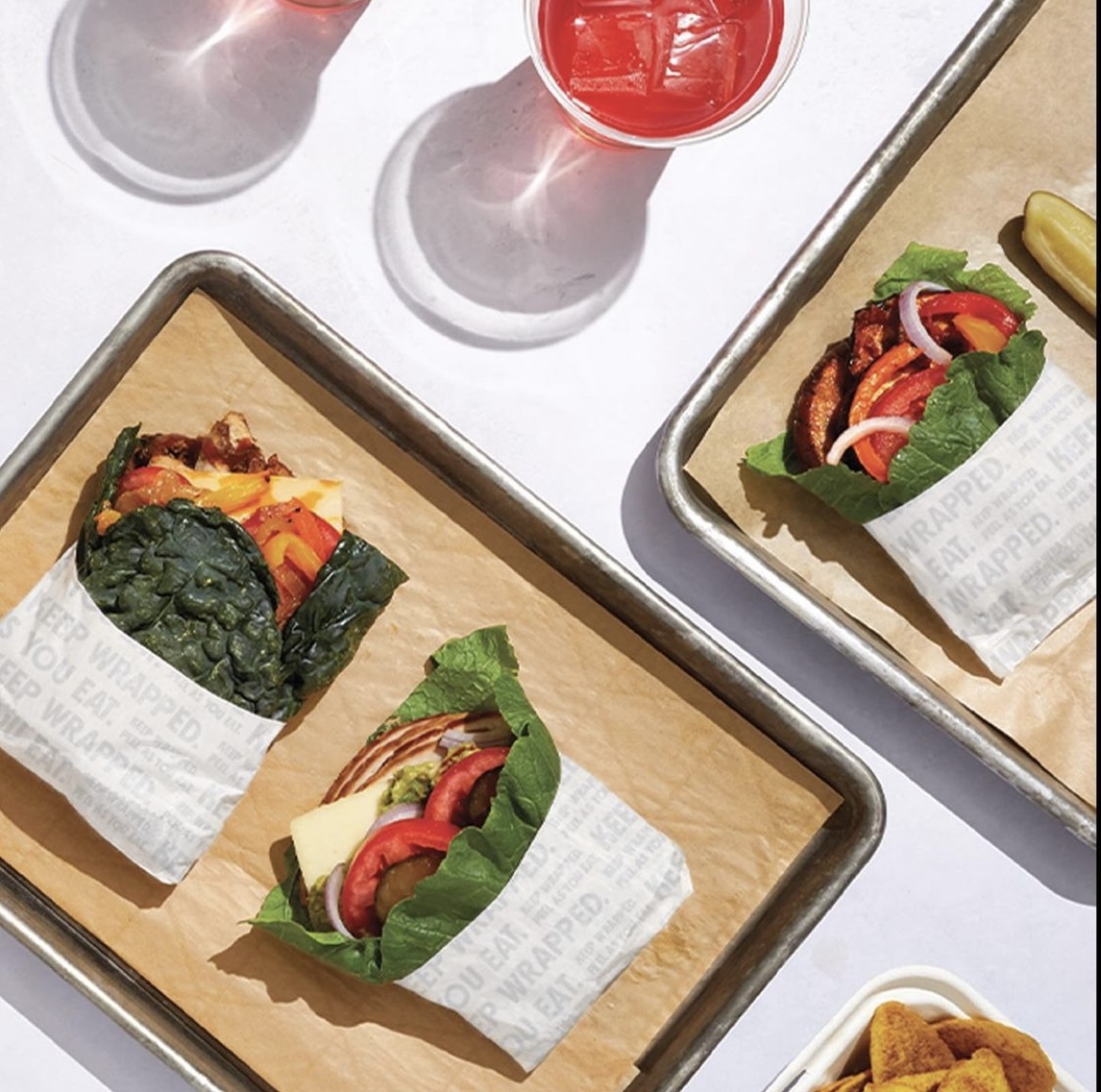
Notable Benefits of Strategic Market Entry in 2026